How Emotional Intensity Shapes Poker Memory
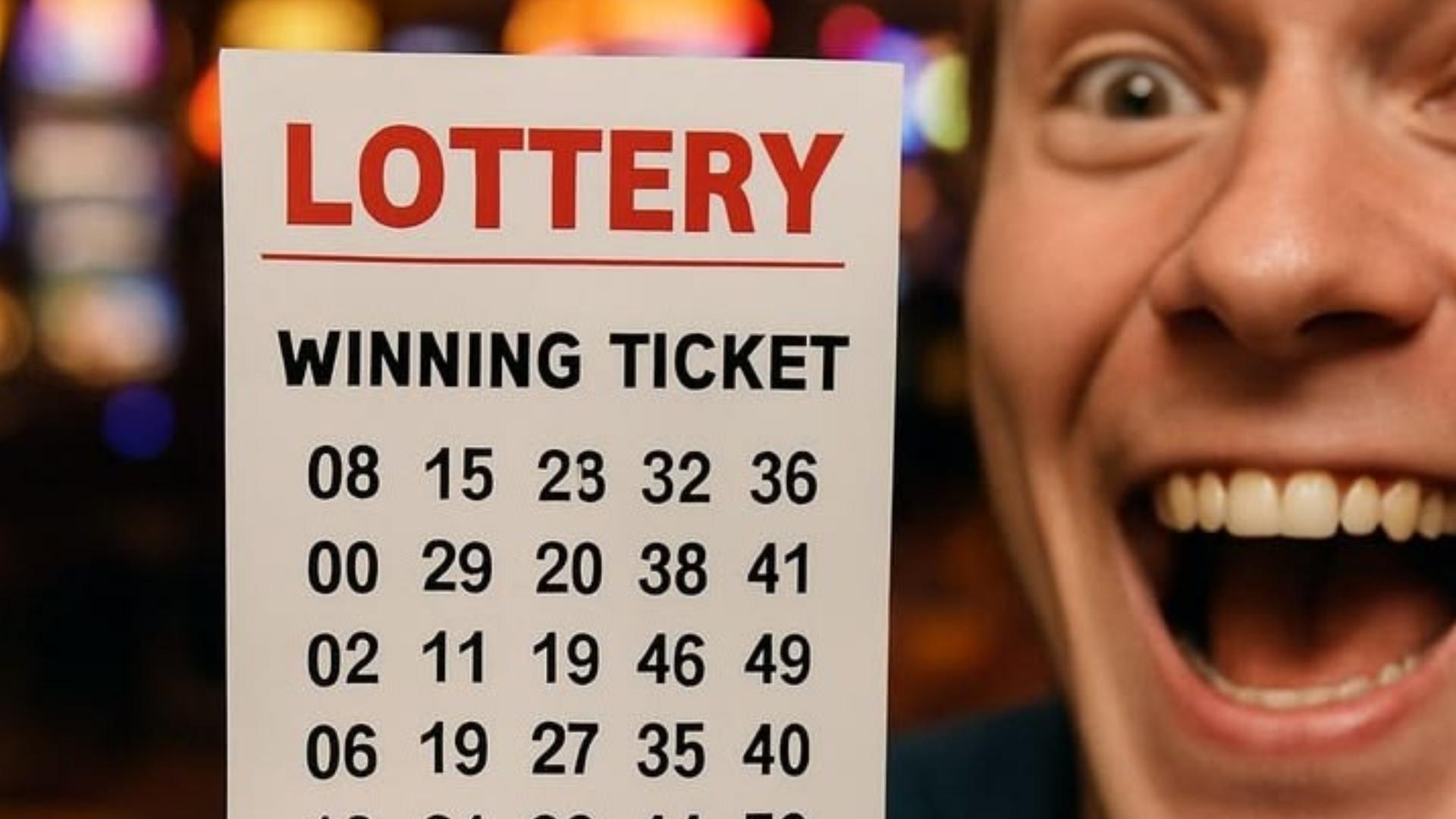
Memory plays a fundamental role in card strategy, yet human recall is rarely a neutral recording of past events. High-stakes gaming sessions generate powerful feelings that significantly alter how decisions, outcomes, and behavioral tendencies are stored in the brain. Understanding how emotional intensity shapes poker memory offers vital insights into cognitive performance and strategic consistency.
The Role of High Stakes in Memory Encoding
When players experience intense emotions such as excitement or anxiety, the brain releases stress hormones that etch specific moments deeply into memory. A sudden bad beat or a massive pot victory creates a vivid cognitive imprint that outlasts ordinary routine hands. Consequently, players often remember emotionally charged showdowns with extreme clarity while forgetting more routine tactical situations.
This selective encoding process can distort a player's perception of their overall performance over time. High-intensity hands dominate historical recall, creating the false impression that extreme outcomes occur far more frequently than they actually do. Recognizing this natural cognitive bias is essential for maintaining an objective view of long-term strategic success.
How Emotional Intensity Distorts Recall Accuracy
While emotionally charged memories feel remarkably clear, scientific research indicates that emotional arousal can actually impair detail accuracy. Players might vividly recall the frustration of losing a major hand while misremembering the exact pot odds or pre-flop action that led to that moment. Over time, these distorted recollections can cause players to draw flawed conclusions about their tactical execution.
To evaluate performance accurately, many enthusiasts review historical hand histories or explore online platforms such as m88bet to analyze structured gameplay without emotional interference. Objective data review helps bridge the gap between remembered events and actual strategic reality. By separating emotional reaction from technical analysis, players prevent exaggerated memories from damaging future decision-making.
Managing Emotional Memory to Prevent Tilt
Lingering memories of painful losses frequently act as the primary trigger for emotional frustration, commonly referred to as tilt. When a similar game scenario arises, the brain automatically retrieves the intense negative memory, prompting an impulsive or defensive reaction. Players who fail to process past emotional events often repeat costly mistakes during subsequent sessions.
Building strong psychological resilience involves actively reframing how high-intensity outcomes are remembered. Treating negative hands as neutral learning experiences rather than personal setbacks weakens their negative emotional hold on future memory retrieval. This mental conditioning enables players to approach each new hand with a calm, analytical mindset.
Developing Objective Mental Habits
Cultivating structured post-session routines helps neutralize the disruptive impact of emotional intensity on memory. Writing down hand details immediately after play ensures that facts are recorded before emotional biases alter the recollection. Systematic journaling preserves precise data regarding opponent tendencies, stack sizes, and positional dynamics.
Ultimately, mastering the interplay between emotion and memory allows players to elevate their overall strategic edge. By relying on objective record-keeping and conscious emotional regulation, competitors protect their analytical clarity under pressure. Transforming vivid emotional memories into constructive insights is a hallmark of long-term strategic growth.